Create a Video Intro Editor with Python on Mac with Silero VAD
Learn how to build an AI-powered video intro generator using Python, MoviePy, and Silero VAD that automatically detects key speaking moments and creates 3D-styled intros.
Dragos

Page 2 of 21 - Explore our articles, tutorials, and insights
Learn how to build an AI-powered video intro generator using Python, MoviePy, and Silero VAD that automatically detects key speaking moments and creates 3D-styled intros.

Learn how to use VibeProxy to leverage your existing Claude Code, OpenAI Codex, Gemini, and Antigravity subscriptions with Factory AI Droids, Amp Code, Zed, and other coding platforms.
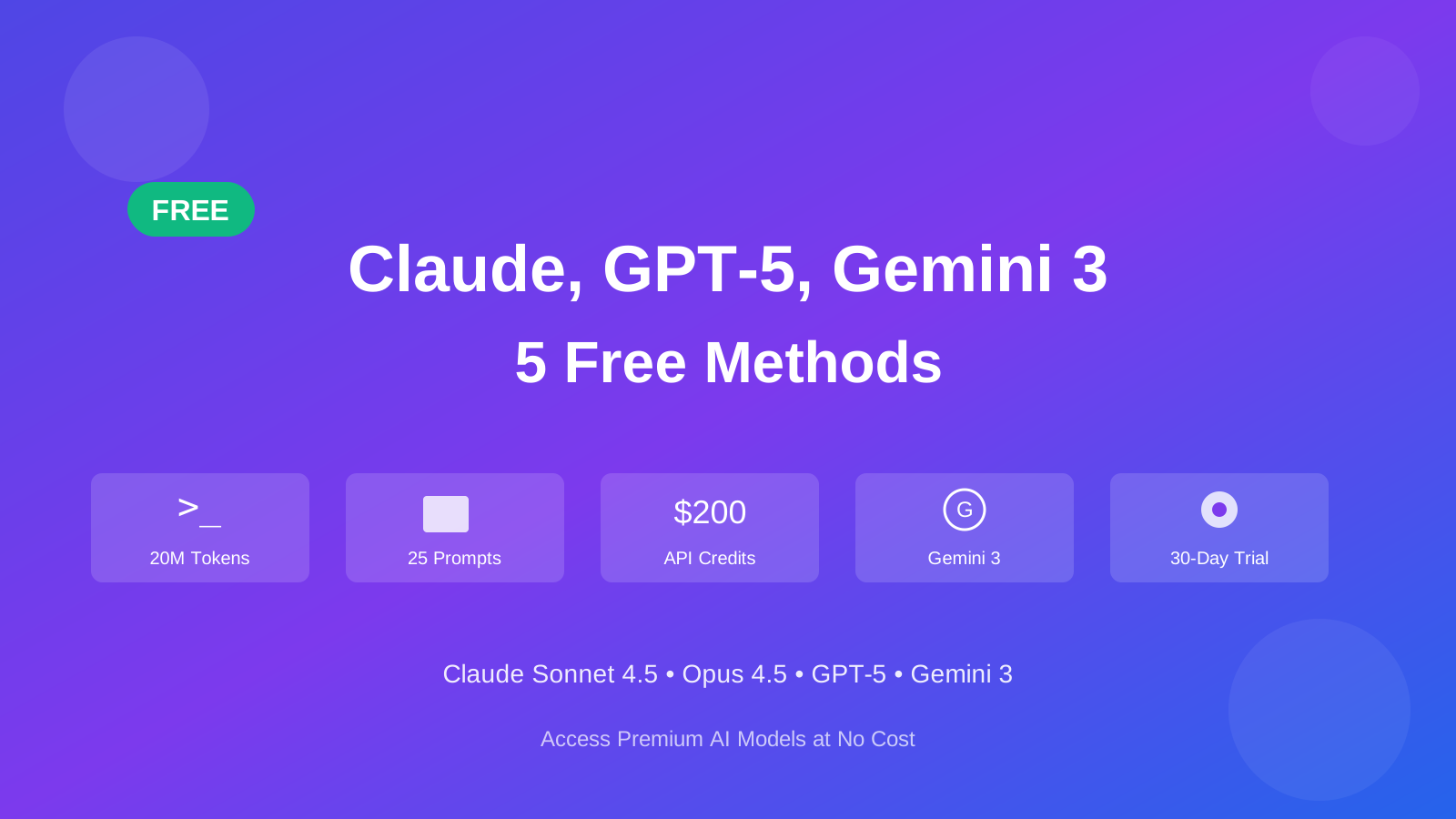
Discover 5 legitimate ways to access Claude Sonnet 4.5, GPT-5, Gemini 3, and Opus 4.5 for free. Get free API credits, tokens, and premium AI access for development.
Check out this comprehensive list with 100+ docker containers that you can use on your home server in 2026.
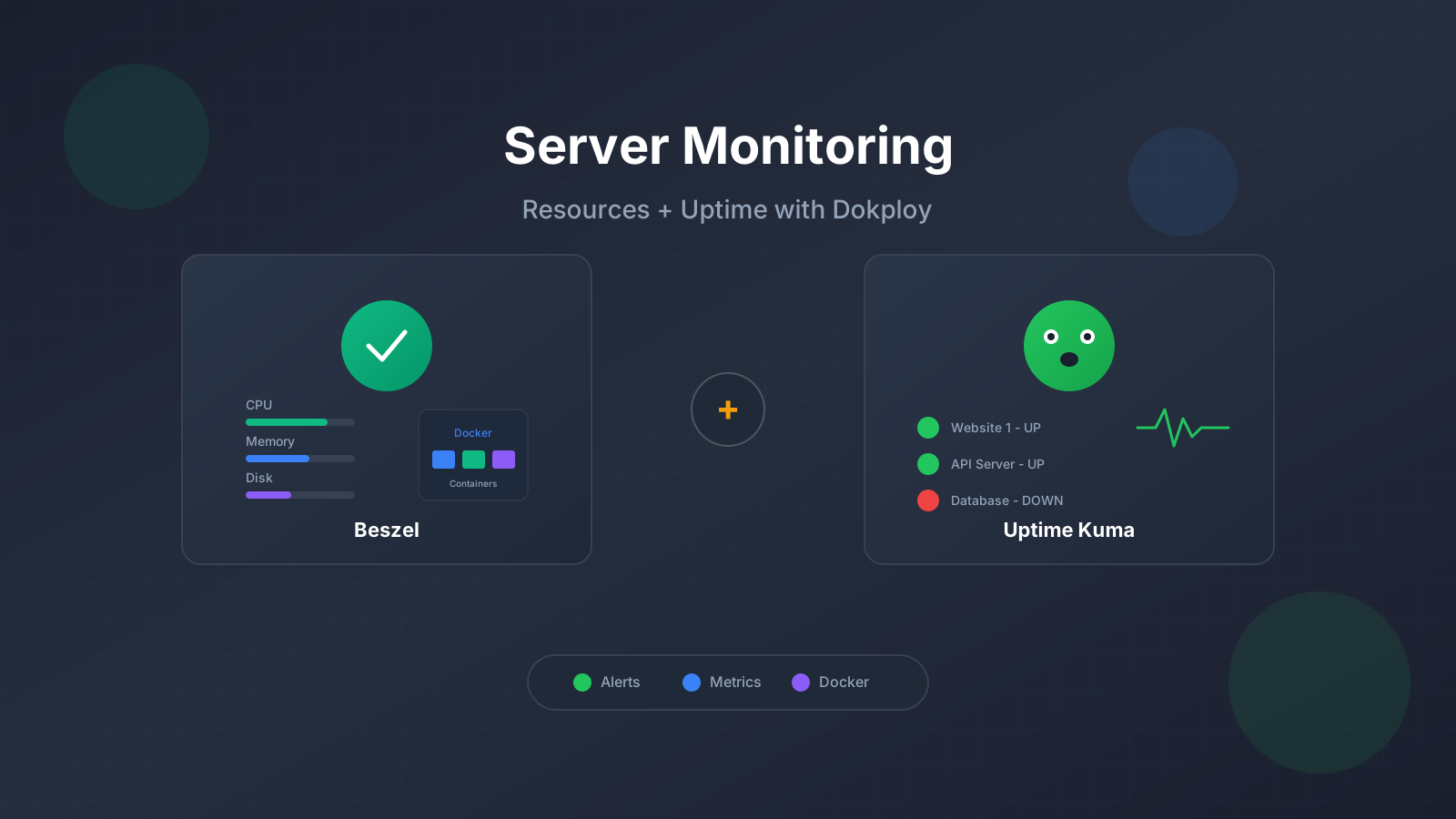
Complete guide to setting up Beszel for resource monitoring (CPU, memory, disk, Docker) and Uptime Kuma for uptime checks on Dokploy with SMTP alerts.
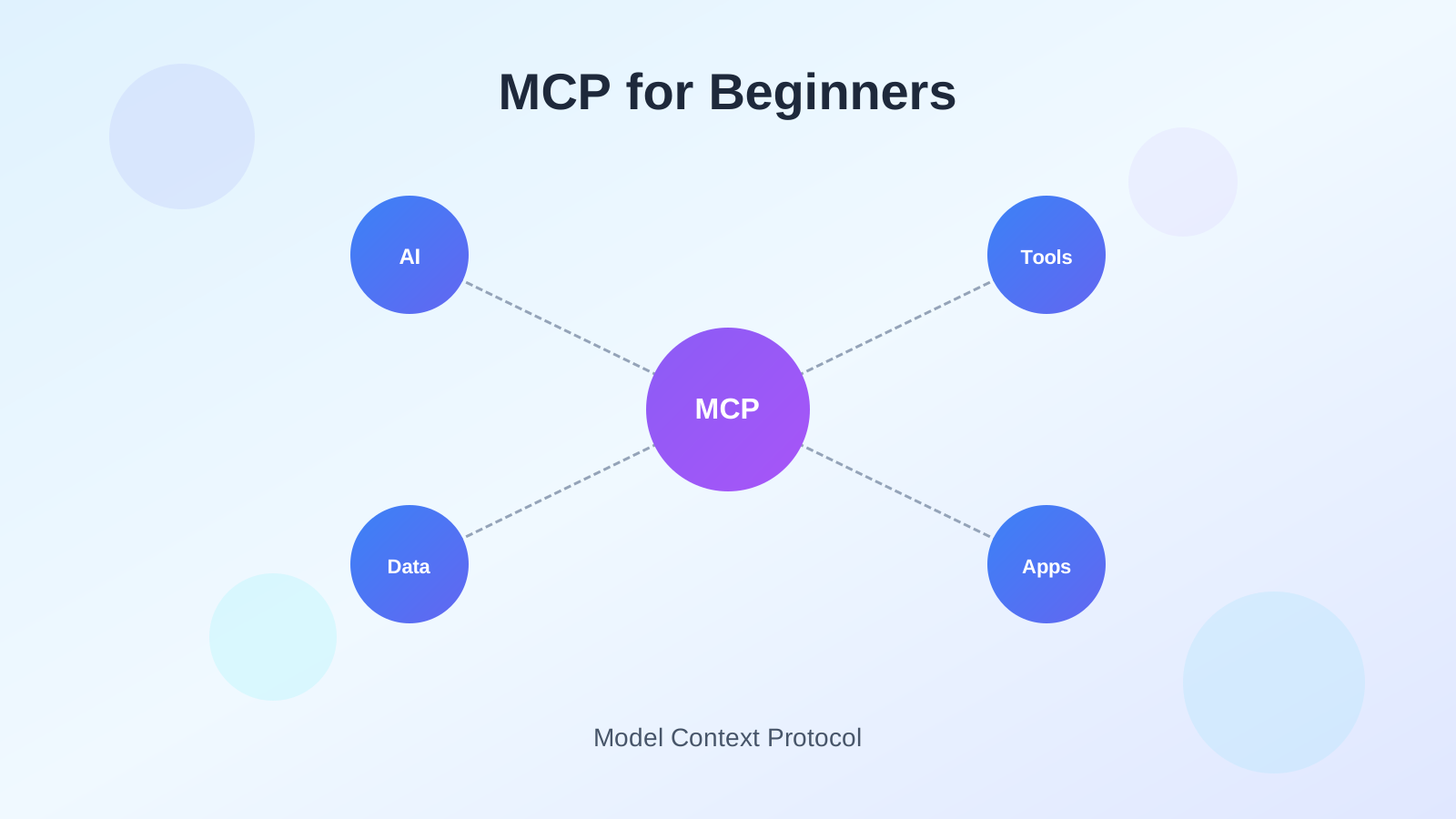
Learn what MCP (Model Context Protocol) is, how it works, and why it's revolutionizing AI development. Complete beginner's guide with practical examples and Docker MCP integration.
Complete guide to self-hosting RustFS, a high-performance S3-compatible object storage system written in Rust. Deploy with Dokploy or Docker Compose as a MinIO alternative.

Complete guide to self-hosting Cognee AI memory platform on your own infrastructure using Dokploy or Docker Compose with PostgreSQL, pgvector, and MCP integration.
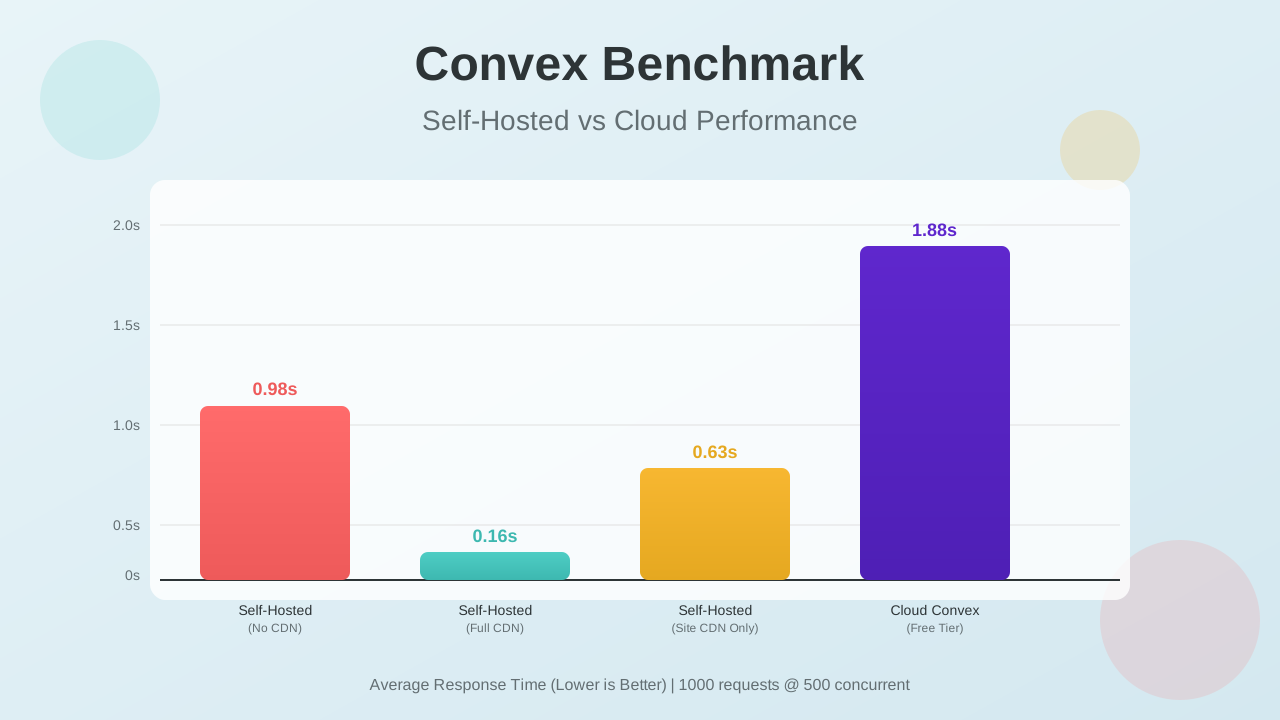
Real-world performance benchmarks comparing Convex self-hosted deployment vs cloud free tier. Test results with oha load testing tool showing response times, throughput, and CDN impact.
Complete guide to self-hosting Convex backend on your own infrastructure using Dokploy or Docker Compose. Includes SQLite and PostgreSQL options.