How to Self-Host Cloudreve with Docker and Cloudflare Tunnels
Learn how to deploy Cloudreve on your home server using Docker Compose and Dockge, then expose it securely with Cloudflare Tunnels for external access.
Dragos

Page 5 of 9 — 89 guides in this category
Learn how to deploy Cloudreve on your home server using Docker Compose and Dockge, then expose it securely with Cloudflare Tunnels for external access.
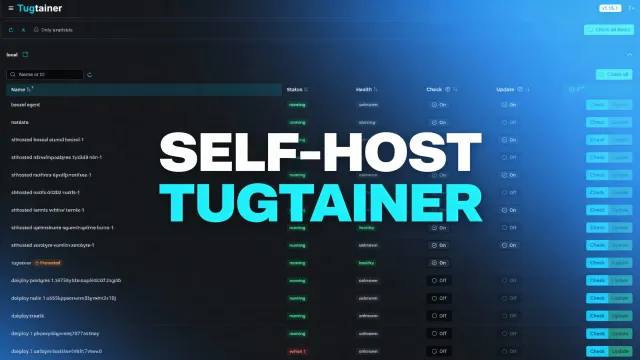
Auto-update Docker containers with Tugtainer, a self-hosted tool with a web UI, multi-host agents, rollback and alerts. See how it compares to Watchtower.
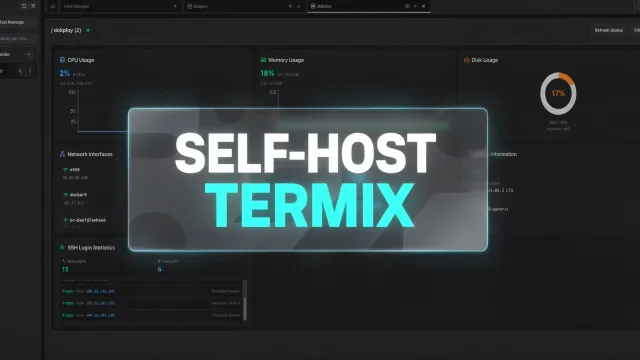
Termix self-hosted guide: install the open-source SSH manager and server hub with Docker Compose or Dokploy, add remote desktop, and secure your deployment.
Deploy Zerobyte, a Restic-powered backup dashboard, with Dokploy or Docker Compose. Create repositories, schedule jobs, and restore data safely.
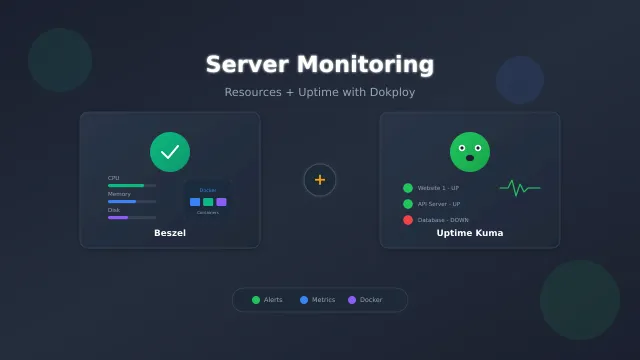
Set up Beszel and Uptime Kuma on Dokploy for complete Docker server monitoring: resource metrics, uptime checks, SMTP alerts, plus Beszel 0.19 and Kuma v2 tips.
Learn to self-host RustFS 1.0, the open-source S3-compatible object storage and MinIO alternative, using Dokploy or Docker Compose — fully updated for 2026.
Set up Dokploy backups to Cloudflare R2: S3 destination, scheduled system, database and volume backups, retention, and a tested restore you can actually trust.
Self-host Notifuse v40 on a VPS with Docker Compose or Dokploy: SECRET_KEY setup, the new BSL licence, backups, safe upgrades, and fixes for real failures.
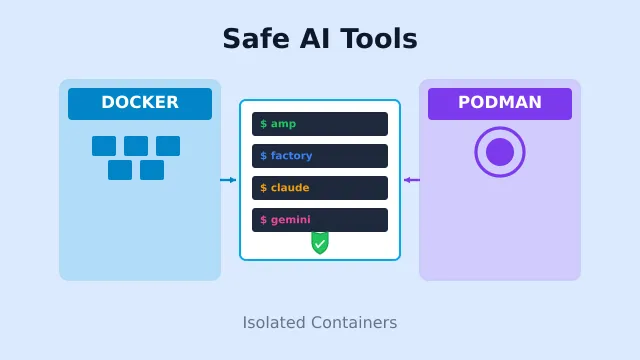
Run AI CLI tools in Docker or Podman safely: isolated containers for Claude Code, Amp, Gemini CLI and OpenCode, with persistent configs and zero host risk.
Learn to self-host n8n in 2026: production-ready Docker Compose, Traefik & Dokploy setups, PostgreSQL queue mode, monitoring, backups, and n8n 2.x upgrade tips.